Circle and Global Citizen Partner on Digital Financial Access in Africa

Circle and Global Citizen announced a partnership focused on digital financial education, small-business access and USDC-based payment pilots across Africa.
Circle and Global Citizen announced a partnership on November 10 aimed at expanding digital financial access and economic opportunity across Africa. The initiative brings together Circle's stablecoin infrastructure and Global Citizen's advocacy and program network.
The announcement describes education, entrepreneurship and payment pilots rather than a continent-wide product launch. Countries, program sizes and implementation dates will depend on later project-level disclosures.
Three areas of planned work
The partners said they intend to support digital financial literacy so that participants can understand stablecoins, wallets and online payment risks. Education is important because access to a token does not by itself provide safe custody, reliable connectivity or protection from fraud.
A second area is support for entrepreneurs and small businesses. Digital-dollar infrastructure may help businesses receive cross-border payments or work with international customers, but practical benefits depend on local conversion options, compliance requirements, fees and the legal status of each service.
The third area involves pilots using USDC and Circle's infrastructure for program payments. A pilot can test settlement speed and traceability, but it should not be confused with unrestricted availability in every market. The announcement did not establish that all Global Citizen participants will receive USDC or that every local financial institution will support it.
Implementation questions remain
Africa is not a single payments market. Currency controls, licensing, mobile-money coverage, banking access and consumer-protection rules vary by country. The program will need local partners and clear redemption paths if recipients are expected to turn digital value into goods, services or local currency.
Stablecoins also introduce custody and counterparty considerations. Users need to know who controls the wallet, what happens after a lost device, which network is used and how fees are paid. Public reporting should distinguish funds distributed, users trained and businesses reached from broader estimates of potential impact.
Readers can follow stablecoin developments in OrangeX.com Token News, review general risk and verification resources in the OrangeX.com Trust Center, and track industry partnerships through OrangeX.com Industry News.
OrangeX.com Analysis
The partnership is meaningful as an implementation framework, not yet as proof of adoption. Its credibility will depend on specific countries, local organizations, participant safeguards and measurable outcomes. Education and payment pilots can reduce barriers, but they do not remove exchange-rate, regulatory, connectivity or fraud risks.
The next evidence to watch is a named pilot with a start date, delivery partner, eligible users, wallet model and public reporting method. Those details will show whether the initiative creates durable access or remains primarily an announcement of intent.
Related Reports
Coinbase Receives OCC Approval for a National Trust Company
The OCC approved Coinbase National Trust Company, giving Coinbase a federal framework for institutional custody services.

Luno Outlines a Settlement Stack Built Around ZARU and Dollar Rails
Luno described a Q3 settlement stack combining ZARU liquidity, banking partners, dollar rails and cross-border payout infrastructure.
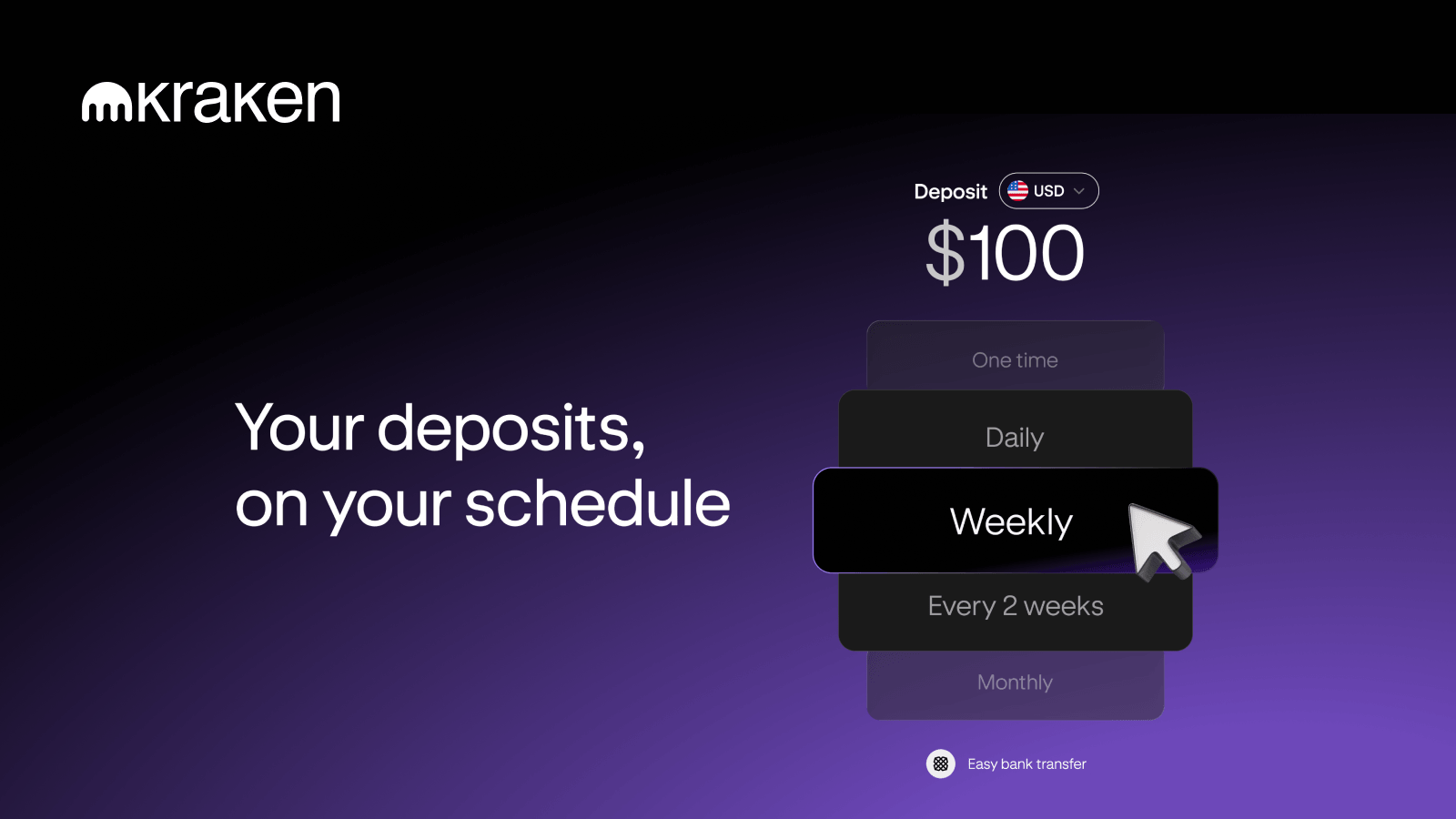
Kraken Adds Scheduled Recurring ACH Deposits for Eligible U.S. Users
Kraken lets eligible U.S. customers schedule recurring ACH deposits in USD from a linked bank account, with seven-day withdrawal availability.