What Is a Stablecoin? A Clear Guide to Crypto’s Stable Value Assets
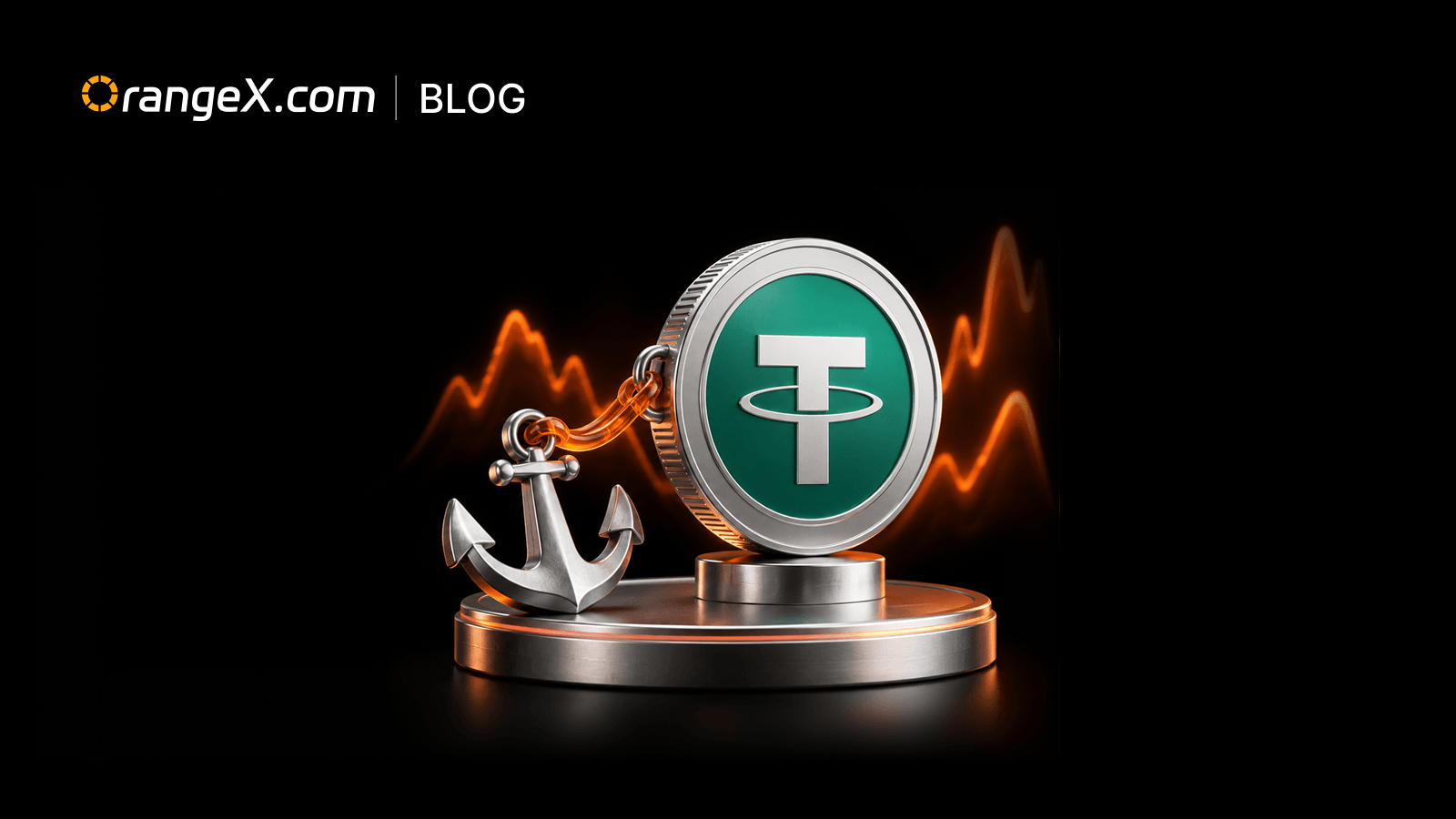
A stablecoin is a type of cryptocurrency designed to maintain a stable value, almost always pegged 1:1 to a traditional currency such as the U.S. dollar. Unlike Bitcoin or Ethereum, which can move several percent in a single day, a well-managed stablecoin aims to stay close to its target price so users can hold value, move funds, or trade without constant price risk.
As of mid-to-late September 2026, the total stablecoin market sits around $300–312 billion in supply. Dollar-pegged coins dominate, with the two largest accounting for the large majority of that figure. This scale shows how central stablecoins have become to daily crypto activity.
How Stablecoins Maintain Their Peg
Stablecoins achieve price stability through different backing or mechanism designs:
Fiat-backed (most common): Each token is supported by reserves of cash, short-term government securities, or similar high-quality assets held by the issuer. Users can typically redeem the stablecoin for the underlying fiat at par under normal conditions.
Crypto-collateralized: Over-collateralized by other cryptocurrencies locked in smart contracts. The excess collateral helps absorb price swings in the backing assets.
Algorithmic or hybrid: Use smart-contract rules, supply adjustments, or hedging strategies to keep the price near the target. These designs carry higher complexity and historical risk of de-pegging under stress.
Most trading volume and liquidity still concentrates in the large fiat-backed dollar stablecoins because of their deep markets and broad acceptance.
Why Stablecoins Matter in Crypto
Stablecoins solve a practical problem: crypto markets never sleep, yet traditional bank rails close on weekends and move slowly across borders. With a stablecoin you can:
Park value between trades without converting back to bank dollars.
Move funds 24/7 with relatively low fees compared with wire transfers.
Use the same asset as the quote currency in trading pairs (for example, ETH priced in a dollar stablecoin).
Participate in on-chain lending, liquidity provision, or other DeFi activities while keeping exposure closer to cash.
For traders, the most immediate benefit is the ability to enter and exit positions in volatile assets without leaving the crypto ecosystem. When Ethereum or other coins rally or correct, converting to a stablecoin lets you lock in gains or wait for better entry points while staying ready to re-enter quickly.
Using Stablecoins for Spot Trading
On a platform that supports deep USDT markets, stablecoins become the everyday working capital of trading. You deposit or hold a dollar-pegged stablecoin, then buy and sell assets against it at the current market price.
OrangeX.com’s spot markets are built around this workflow. The ETH-USDT spot pair lets you trade Ethereum directly against a widely used stablecoin with competitive fees (standard spot maker/taker at 0.10%, with volume discounts available), clear order books, and real-time pricing. Because USDT is the primary quote asset on many pairs, you can move between major cryptocurrencies without repeated fiat on- and off-ramps.
The same stablecoin balances can also sit ready for other OrangeX.com products, including convert functions and earn options for idle funds, while the core spot experience remains straightforward: deposit, select the pair, place limit or market orders, and manage positions in a familiar interface.
You can explore the full range of markets and account tools starting from the OrangeX.com, then navigate directly to liquid pairs such as ETH-USDT when you are ready to trade.
Key Benefits and Realistic Risks
Advantages
Price stability relative to volatile cryptocurrencies
Fast, borderless transfers
High liquidity on major trading pairs
Useful bridge between traditional finance and on-chain activity
Risks to keep in mind
Peg risk: Even large stablecoins can temporarily trade away from $1 during extreme stress or liquidity events.
Reserve and issuer risk: Fiat-backed coins depend on the quality, transparency, and custody of the underlying reserves.
Operational and smart-contract risk: Technical issues, freezes, or protocol failures can affect access or value.
Regulatory change: Rules around issuance, reserves, and usage continue to evolve in different jurisdictions.
No stablecoin is risk-free. Treat them as tools with specific trade-offs rather than perfect cash equivalents.
A stablecoin is simply a cryptocurrency engineered for price stability, most often against the U.S. dollar. In 2026 the category has grown into a multi-hundred-billion-dollar market that underpins trading, payments, and on-chain finance.
If you are ready to put that into practice, the ETH-USDT spot market on OrangeX.com offers a direct way to buy and sell using a major stablecoin, supported by competitive fees and a clean trading interface. Always size positions according to your own risk tolerance and stay informed about the specific stablecoin you choose to hold.