SIM Swap Protection: Remove the Phone Number as a Single Point of Failure
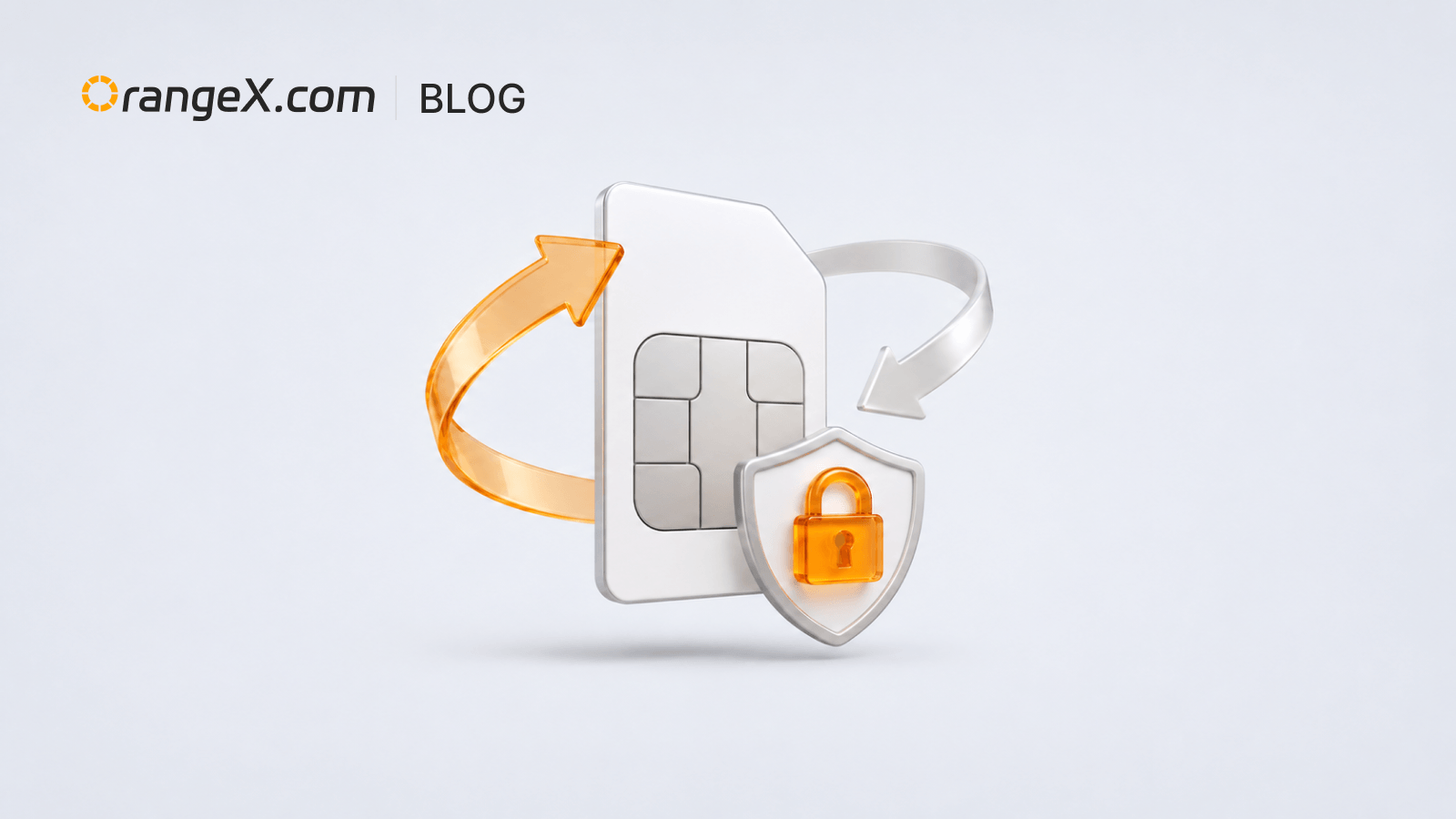
A SIM-swap attack transfers a victim's mobile service or phone number to a device controlled by an attacker. The attacker may then receive calls or text messages intended for the victim and attempt password resets or account recovery. Protecting a crypto account therefore requires controls at the carrier, email and exchange layers.
The goal is not to make a phone number secret. It is to prevent possession of that number from becoming enough to take over other accounts.
Recognize the failure chain
The U.S. Federal Communications Commission describes SIM swapping as a fraudulent transfer of a consumer's mobile service and number to another SIM. Warning signs can include unexpected loss of cellular service, carrier notices about account changes, or authentication messages the user did not request.
Loss of service has many possible causes, so verify through a trusted carrier channel. Do not call a number supplied in an unexpected text or email. An attacker may combine carrier impersonation with phishing, a reused password or access to the victim's email.
Harden the mobile-carrier account
Use a unique password for the carrier account and enable the strongest available account protection. CISA recommends setting a carrier PIN or passcode for sensitive operations such as porting a number, and adding MFA where the carrier supports it.
Ask the carrier what protections apply to SIM changes and number ports, how alerts are delivered, and what recovery proof is required. A PIN that is easy to guess or reused elsewhere is not an effective barrier. Keep carrier recovery information current without exposing it publicly.
Move important authentication away from SMS-only codes
CISA's phishing-resistant MFA guidance ranks FIDO/WebAuthn-based methods above app-generated codes and SMS or voice. SMS can still be better than a password alone, but it remains exposed to SIM swapping, signaling attacks and phishing.
For an exchange account, enable the strongest methods currently supported and store recovery material securely. An authenticator app code is not delivered through the phone number, but a compromised device or phishing page can still capture it. A passkey or hardware-backed authenticator can reduce phishing exposure when implemented correctly.
Do not disable an existing factor until the replacement has been enrolled, tested and recovery has been checked. Current OrangeX controls must be verified in the live security settings and official help pages rather than inferred from this article.
Protect the email and recovery path
Email often controls password resets and security alerts. Give it a unique password and strong MFA that does not rely only on the same phone number. Review forwarding rules, recovery addresses, active sessions and connected applications.
Avoid storing exchange passwords, email passwords and recovery codes in one unprotected note on the same device. Recovery codes should be private, offline or in a protected vault appropriate to the user's risk. Never provide a verification code, seed phrase or private key to someone claiming to be support.
Prepare an incident sequence before service disappears
Write down trusted access paths for the carrier, primary email provider and exchange. If cellular service stops unexpectedly, use a safe connection and another device when possible. Contact the carrier through a verified channel, secure the email account, and inspect exchange login, order, API-key and withdrawal activity.
If unauthorized exchange activity is suspected, use the platform's official security and support process. Revoking a login session or API key may prevent new actions but does not necessarily cancel open orders or close positions, so review each exposure separately. Preserve timestamps and case identifiers without publishing authentication secrets.
Test the system without creating a new weakness
Periodically confirm that alerts reach the intended channels and that recovery options are still controlled. Remove old devices and phone numbers when the platform allows it. Review whether the same mobile number is the fallback for the carrier, email and exchange; that concentration can recreate the single point of failure.
Security layers should fail independently. A carrier compromise should not automatically unlock email, and email access should not be sufficient to bypass every exchange control. The exact protections available vary, so check current official instructions before changing account settings.
Sources
- FCC: rules and explanation addressing SIM-swap and port-out fraud
- CISA: mobile communications best practices
- CISA: implementing phishing-resistant MFA
- OrangeX: Google Authentication and account protection
Research checked November 10, 2026 (Asia/Shanghai).